Happy Thanksgiving, St. Louis! Independent homeowner guidance

Major appliances

Ranges, ovens & cooktops

A range combines an oven and cooktop. Gas burners heat with a flame, radiant elements heat the cooking surface and induction heats compatible cookware directly.

See how it works
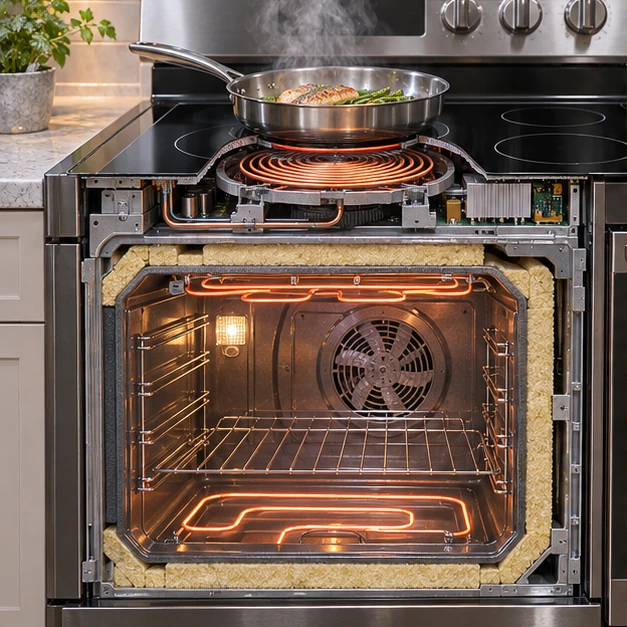
Illustrated cutaway of an electric range with a radiant element and convection oven
An electric range with a radiant element and convection oven · Illustrative cutaway. Component placement varies by model.

How it works

  1. The glowing resistance element beneath the glass heats the cooking surface, which transfers heat to the pan above.
  2. The oven uses separate electric heating elements. A convection fan, where fitted, circulates hot air around the food.
  3. An induction top looks similar from above. Its coil produces a changing magnetic field that heats compatible cookware directly. Check the cookware marking and the cooking zone’s minimum pan size.

Types you may encounter

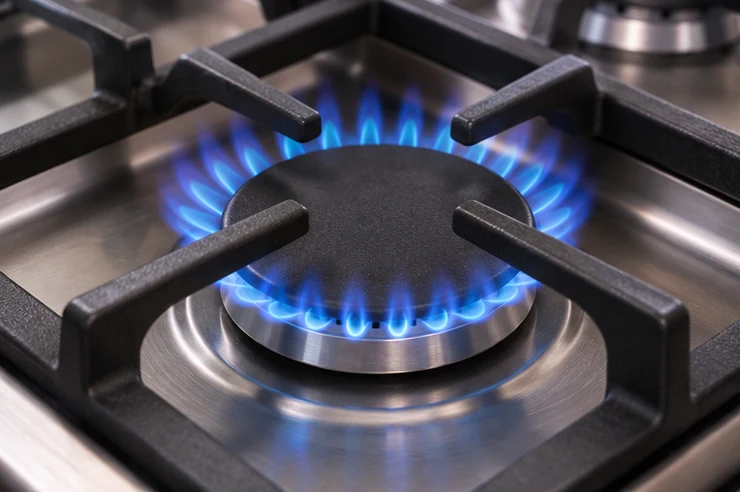
Gas flame beneath a cast-iron grate

Gas

Burners heat the pan with a flame. A gas oven also uses gas for heat. Verify natural gas versus LP compatibility for the exact model.
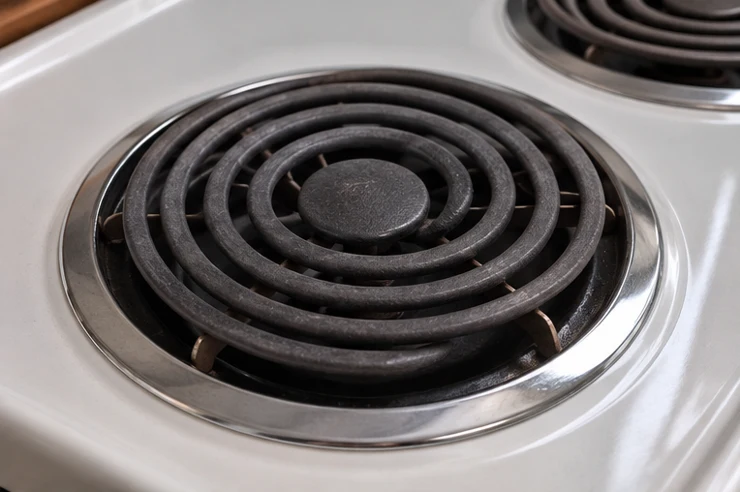
Exposed electric coil

Electric coil or radiant glass

Resistance elements generate heat and transfer it to the cookware. Glass can stay hot after the controls are off.
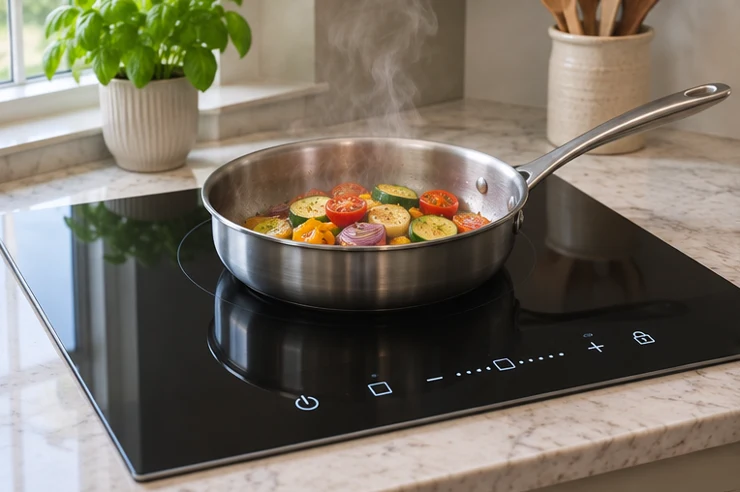
Induction cooktop with a pan

Induction or dual fuel

Induction uses compatible cookware. Dual fuel usually pairs gas surface burners with an electric oven and needs both utility supplies.
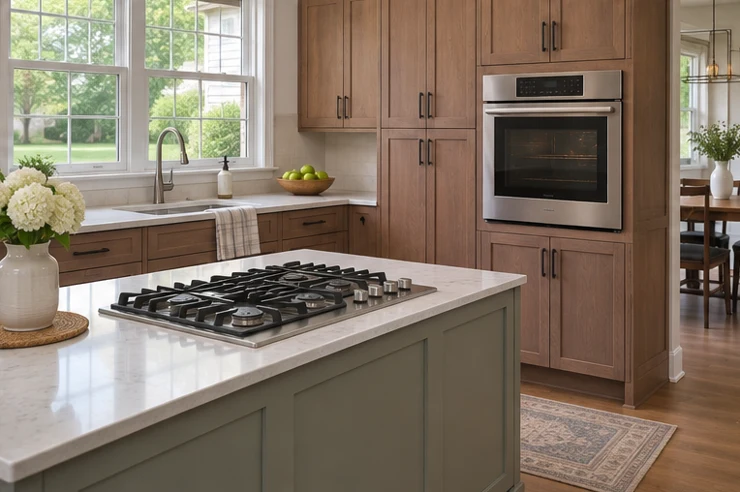
Island cooktop and separate wall oven

Separate cooktop and wall oven

Each appliance has its own rating and installation drawing. Cabinet cutout, service access and circuit requirements can differ for each.

Plugs & hookups

For U.S. homes. A NEMA code ending in P identifies the plug on the cord. R identifies the receptacle on the wall.

Match the blade or slot shapes. Your outlet may be rotated. Select a photo to enlarge it.
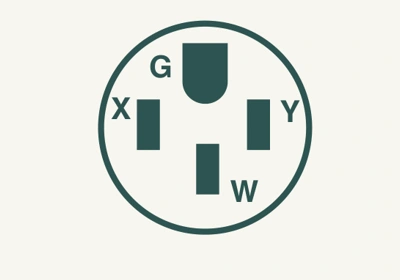
Cord-connected electric range

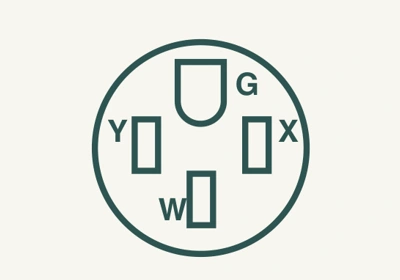
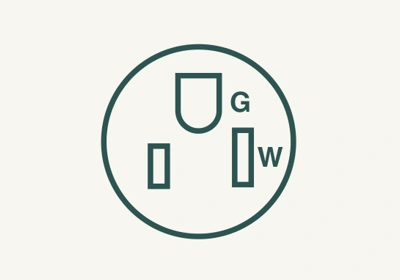
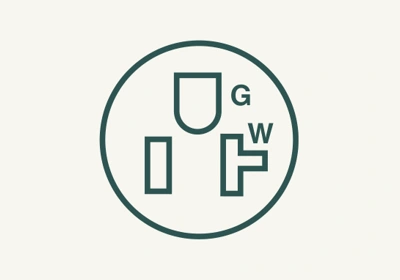
DiagramFace view of NEMA 14-50P
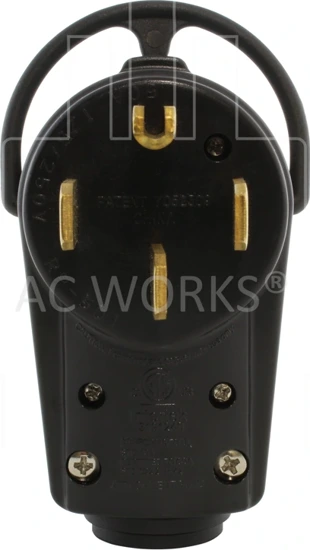
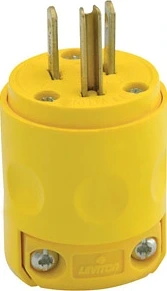
Product photoActual 14-50P plug showing its blades
14-50PRange cord · Four prongs with a straight neutral blade.Photo by AC WORKS
DiagramFace view of NEMA 14-50R
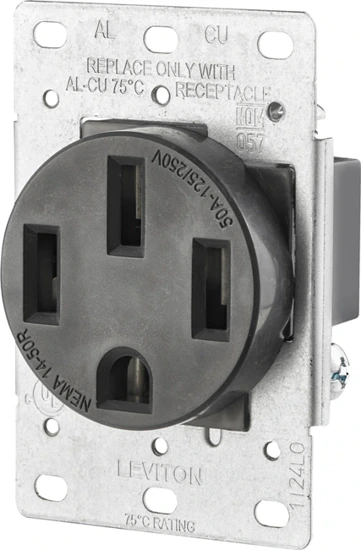
Product photoActual 14-50R outlet showing its slots
14-50RRange outlet · Four openings with a straight neutral slot.Photo by Leviton
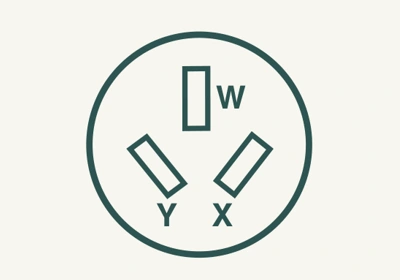
DiagramFace view of NEMA 10-50R
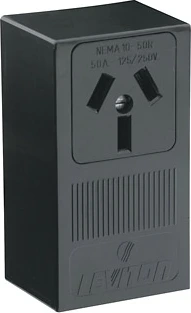
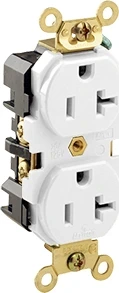
Product photoActual 10-50R outlet showing its slots
10-50RLegacy range outlet · Three slots with a straight neutral.Photo by Leviton

Common 120 V gas-model connection

DiagramFace view of NEMA 5-15P
Product photoActual 5-15P plug showing its blades
5-15PCord plug · Two parallel blades and a grounding pin.Photo by Leviton
DiagramFace view of NEMA 5-15R
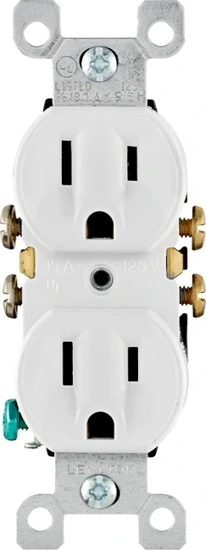
Product photoActual 5-15R outlet showing its slots
5-15RWall outlet · Two straight slots and a grounding opening.Photo by Leviton
DiagramFace view of NEMA 5-20R
Product photoActual 5-20R outlet showing its slots
5-20RWall outlet · The T-slot also accepts a 5-15P plug.Photo by Leviton

Face views adapted from the NEMA straight-blade configuration chart (PDF).

All-gas range
Many use a grounded 120 V three-prong plug (commonly 5-15P) for ignition, controls and lights, plus a gas connection.
Full-size electric or dual-fuel range
Common cord-connected models use a 120/240 V supply and a four-prong 14-50P range cord with a 14-50R receptacle. The model determines whether a 40 or 50 A circuit is required.
Older range installation
A three-slot 10-50R may be present. It lacks a separate equipment ground. Ask a qualified electrician whether the existing circuit is eligible for reuse. New range circuits use a separate ground.
Built-in electric oven or cooktop
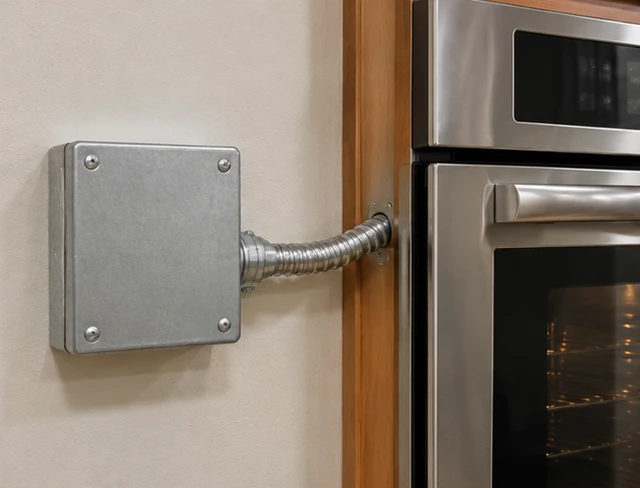
Often hardwired to a junction box. A 30 A dryer receptacle is a different configuration from a range receptacle.

See Eaton’s illustrated 14-30 and 14-50 plugs and receptacles (PDF)
Other connections

Closed junction box and conduit for a hardwired appliance

Confirm fuel, circuit and cutout before ordering. Have the installer verify anti-tip protection for a freestanding or slide-in range.

Before delivery, photograph the model plate and any safely visible outlet marking. Match the installation manual’s voltage, circuit rating and connection method. A matching plug shape alone cannot verify the circuit. If anything differs, have a qualified electrician check it before use. Avoid adapters or alterations to the plug.

Before the service call or delivery

First check

An induction zone ignores one pan? Try a pan known to work on that zone. If the symptom follows the pan, check its base material and minimum diameter in the manual.

Measure the fit

Use the installation drawing for the exact model. For wall ovens and built-in cooktops, cabinet cutout dimensions matter as much as the visible front.

Manufacturer references

Explore the other major appliances