
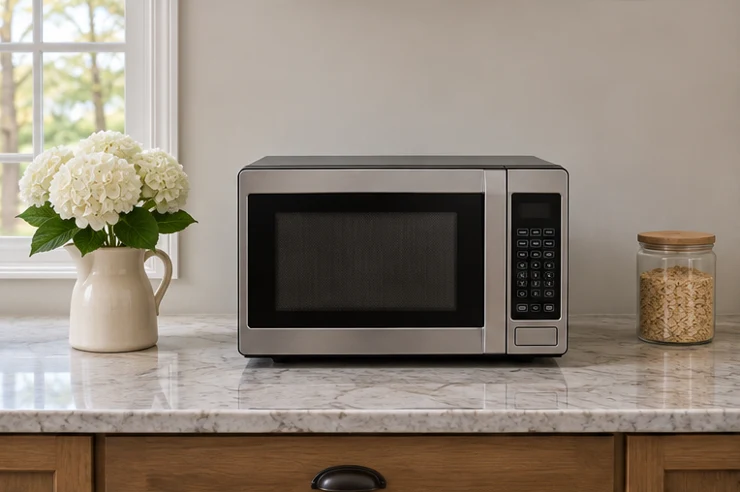
Countertop or trim-kit built-in
A countertop unit needs the clearances in its manual. Only install in cabinetry when the exact model and trim kit are approved together.
Major appliances
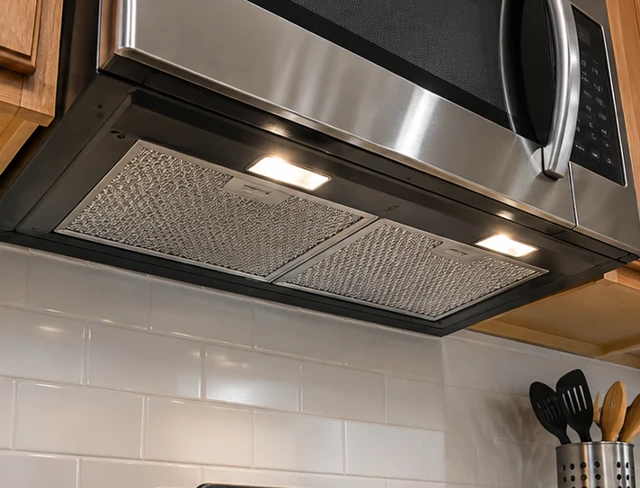
Microwaves heat food inside the cavity. An over-range unit also has a separate fan that can exhaust through a duct or recirculate through filters, depending on installation.
See how it works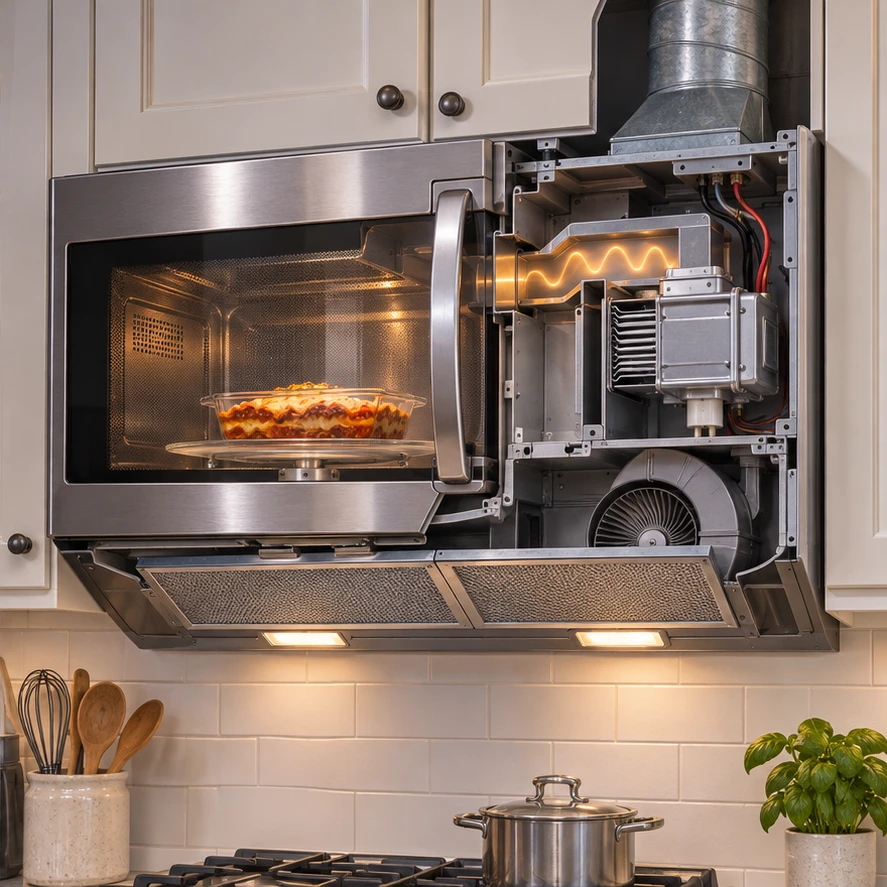
A countertop unit needs the clearances in its manual. Only install in cabinetry when the exact model and trim kit are approved together.
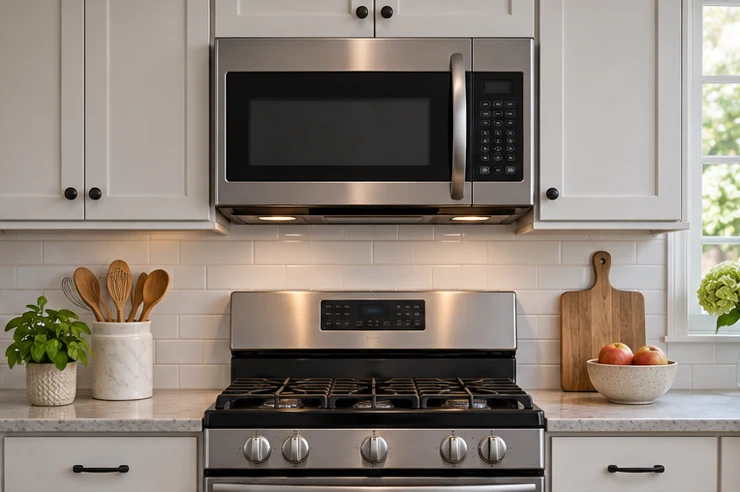
Combines cooking and a hood. Check whether the blower is configured for outdoor exhaust or filtered recirculation.
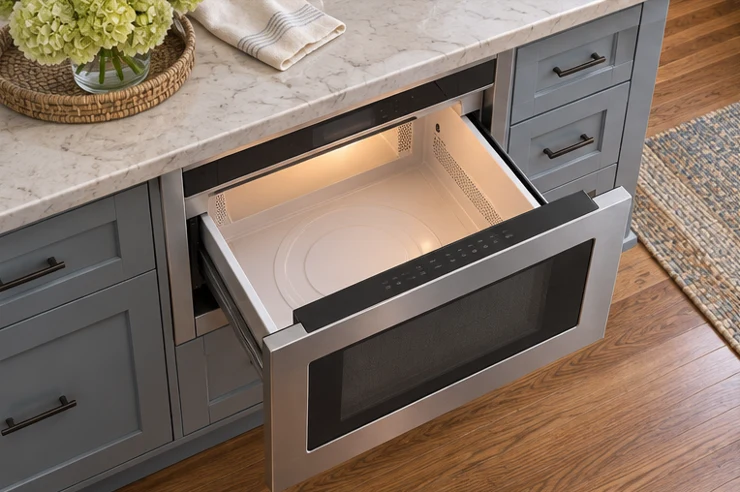
Slides out below a counter. Verify cutout size, mounting provisions and outlet location.
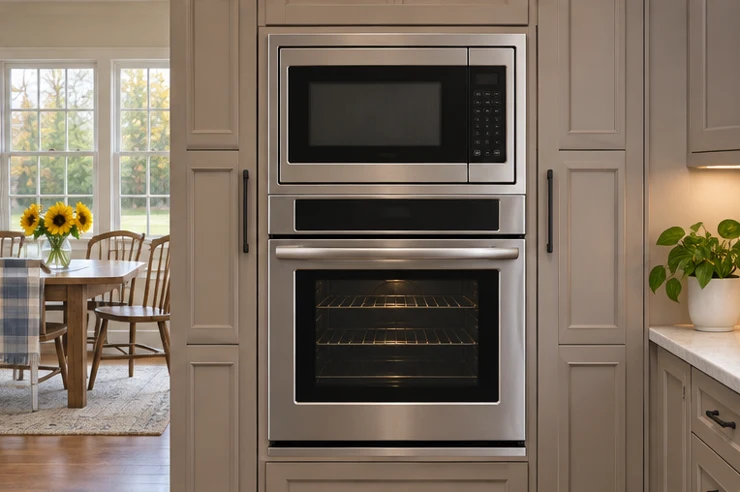
Pairs a microwave or speed oven with a conventional oven. The combined appliance can have very different electrical needs.
For U.S. homes. A NEMA code ending in P identifies the plug on the cord. R identifies the receptacle on the wall.
Match the blade or slot shapes. Your outlet may be rotated. Select a photo to enlarge it.

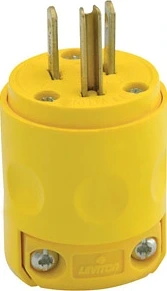
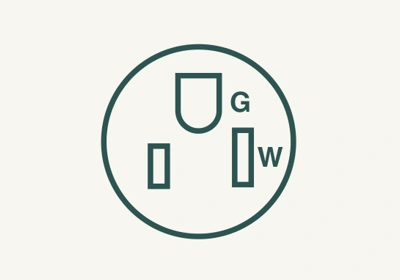
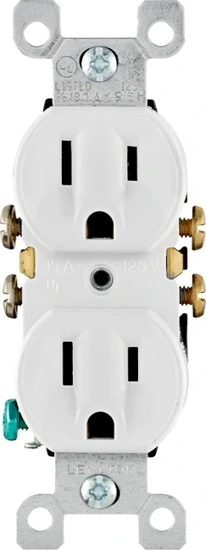
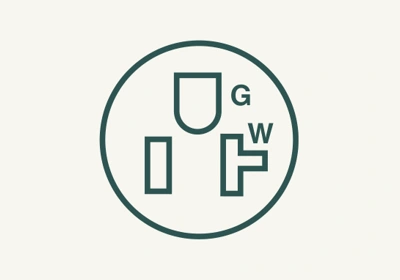
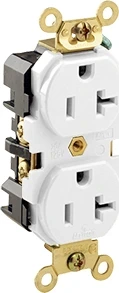
Face views adapted from the NEMA straight-blade configuration chart (PDF).
See Leviton’s 5-15R and T-slot 5-20R receptacle reference (PDF)
Read the input rating on the model plate. The cooking wattage advertised on the front describes output and cannot be used to size a circuit.
Before delivery, photograph the model plate and any safely visible outlet marking. Match the installation manual’s voltage, circuit rating and connection method. A matching plug shape alone cannot verify the circuit. If anything differs, have a qualified electrician check it before use. Avoid adapters or alterations to the plug.
Cooking works but steam lingers above the range? Check which vent configuration you have and find the grease-filter care instructions for that model.
Match the mounting space, door swing and vent direction. For a built-in unit, confirm the manufacturer lists a trim kit for the exact model.